Self-Directed Learning Doesn’t Mean Kids Only Do What They Feel Like
Years ago, when I began studying Montessori after already serving as a public school teacher for 14 years, a conventional school principal friend joked, “Oh, so you’re learning how to say, ‘Here’s a bucket, go learn something.’”
Today, as the leader of a self-directed, Montessori-guided microschool, I still encounter similar misconceptions often. Many people assume that self-directed learning means kids just play all day in a lawless environment where “actual learning” isn’t happening.
However, the reality I see in our Schoolhouse every day tells a completely different story. In self-directed environments:
- Kids learn to make intentional choices—balancing play, study, and deep focus throughout the day.
- Kids co-create and uphold their own rules for the community space they share.
- Learning becomes limitless because it is never restricted by rigid, single grade-level standards, resources, or the speed at which others are learning the same topics.
The Power of Play and Choice
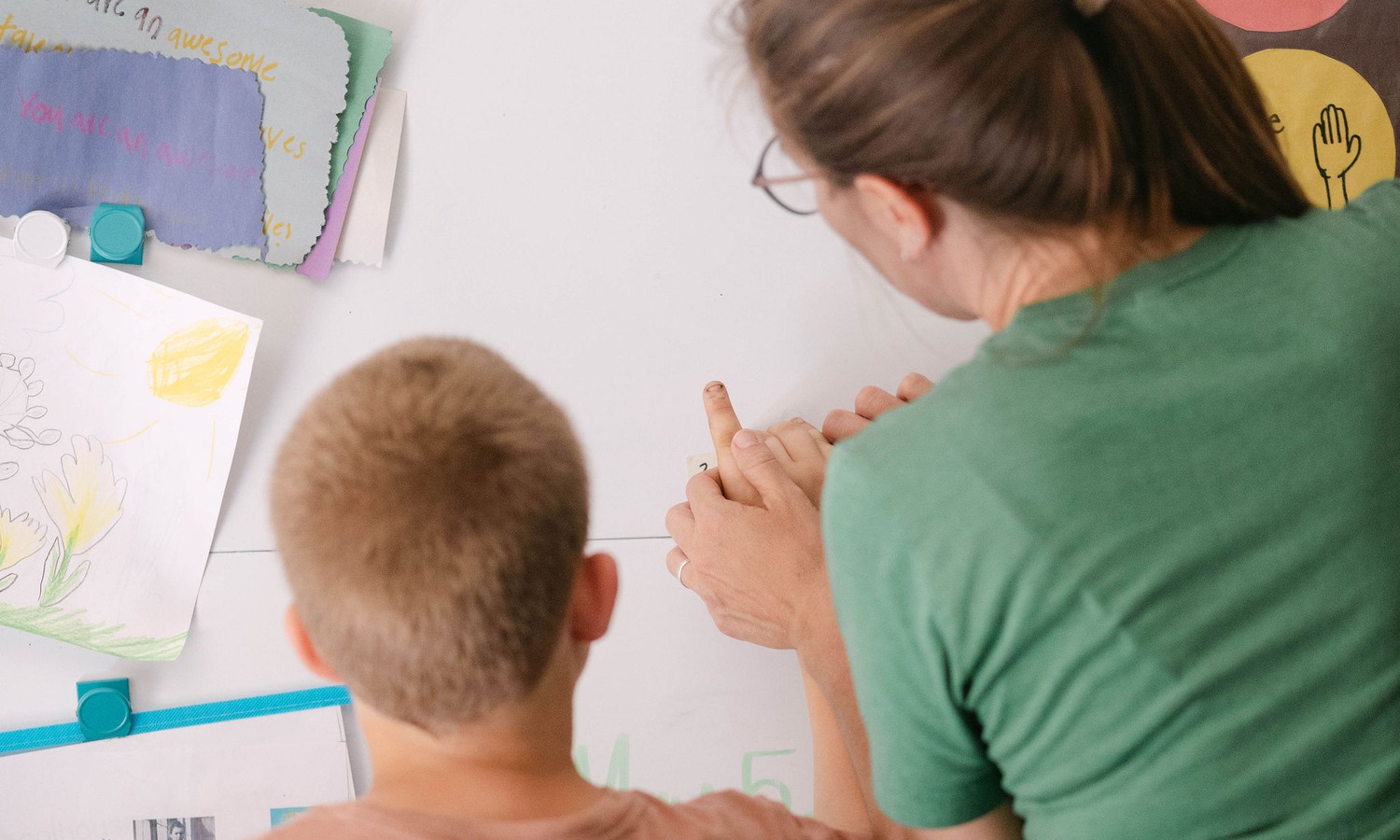
Children are developmentally primed to learn through exploration. We understand that play is the real work of childhood and learning happens most effectively and naturally when the activity and topic are chosen by the learner; however, conventional school structures aren’t designed to work with these gifts of childhood. In a self-directed environment, however, the role of the adult shifts from lecturer and keeper to guide and facilitator. Our responsibility is to ensure children have rich opportunities to select meaningful activities, collaborate with peers, and receive supportive guidance.
At Dandelion, we use this natural gift of play as the foundation for academic growth. We intentionally design our environment with K–8 materials accessible to all children across every subject area. Each day, we partner with students to navigate a rotating “menu of works” to find “best-fit” activities. This personalized approach ensures that every child is seen and supported at their current academic level, aligning their interests with their comfort zone— exactly what is needed for meaningful development.
Freedom Within Limits: Shared Rules and Expectations
“To let the child do as he likes when he has not yet developed any powers of control is to betray the idea of freedom.” — Maria Montessori, The Absorbent Mind
True self-direction is not a chaotic free-for-all. To build a community of learners, we work alongside the children to develop our own shared community expectations. Children already possess a deep, intuitive understanding of what makes a school community feel safe and functional – and believe me, they often already know and are equipped to uphold “the rules” very well.
By co-authoring our classroom guidelines, we establish shared boundaries that foster collective comfort and confidence. This shared ownership creates a culture where expectations are validated, mistakes are treated as learning opportunities, and conflicts are talked through and explored until we reach a common understanding.
With everyone on the same page, accountability becomes a shared responsibility. Instead of relying on conventional, top-down adult control, we offer “freedom within limits.” This environment gives children the space to master internal self-discipline—a vital skill they carry with them into the outside world and throughout their lifetimes. Ultimately, students learn to take advantage of their educational opportunities, accept responsibility for their choices, and thrive within healthy boundaries.
When Order Meets Autonomy, Learning Is Limitless
When children master self-regulation and make choices that benefit both themselves and the group, their learning capacity expands. They no longer have to wait for the rest of the class to catch up or rush themselves to keep up. They know how to utilize the resources around them, when to ask for help, and how to navigate inevitable challenges and setbacks.
At Dandelion, this means learning happens fluidly on the playground, in the classroom, alongside adults, and through mixed-age mentorship between younger and older children. When every individual practices self-control and personal responsibility, the entire group harmonizes, sharing knowledge and celebrating each other’s independent successes.
The Structures that Support: How It Works
To make this philosophy work seamlessly, we rely on six foundational structures that anchor our daily routines:
- A Visible Schedule: A clear, publicly posted daily rhythm for the group that is both flexible and reliable.
- Community Expectations: A visible, co-created list of guidelines for indoor and outdoor spaces, including non-negotiable boundaries and rules for physical and emotional safety.
- Intrinsic Accountability: We hold children accountable for their actions and effort without relying on artificial reward systems, demerits, or office referrals. This keeps the ownership of behavior and success entirely with the student.
- Functional Procedures: Shared, explicit directions for how to move through the space, communicate respectfully, and practice self-care at different times throughout the day.
- Collaborative Planning: Continuous observation, journaling, and regular menu reviews alongside learners to ensure everyone is on the same page.
- Open Ecosystems: Frequent, meaningful dialogue between parents, teachers, children, and families to maintain a strong supportive network.
A Proven Foundation for Life and Living
Self-directed learning helps children discover what matters to them, to others, and to the community at large. Decades of academic research reinforce what we see every day at Dandelion. Children who learn in these environments consistently demonstrate:
- Lower stress levels
- Advanced interpersonal skills and fewer behavioral challenges
- Higher intrinsic motivation
- Active, long-term civic engagement and community service
- Equivalent or advanced performance on standard measures of academic achievement
When learning belongs first to the learner, the entire community thrives. Our experience also shows that children raised in Montessori and self-directed environments grow into happier, more adaptable, and highly articulate adults who enjoy lasting academic and personal success throughout their lifetimes.
To learn more about our why, how, and what we do, as well as review the research discussed in this article, head over to our approach page.