
The Prepared Environment: How the Classroom Becomes the Third Teacher
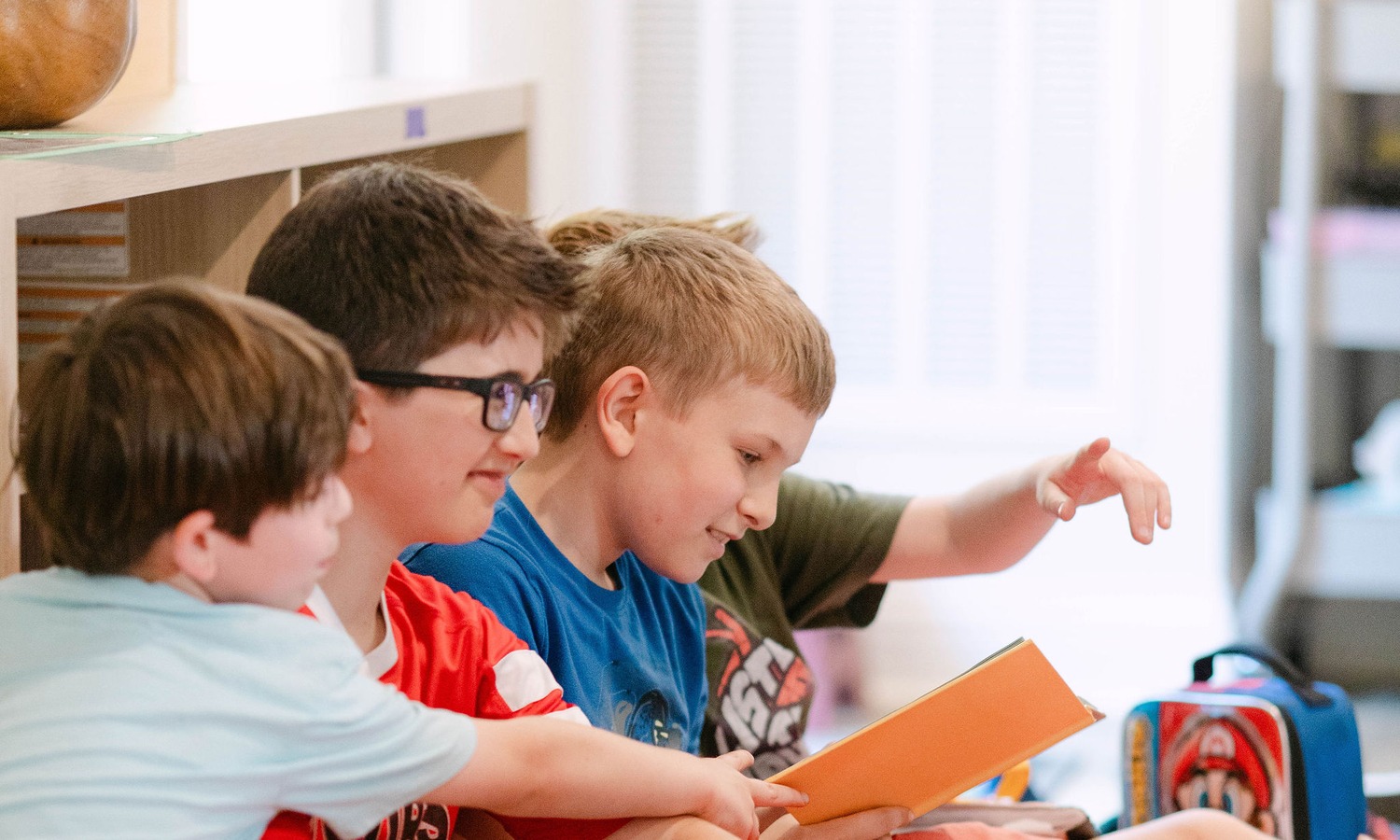
Walk into a thoughtfully prepared classroom, and you may notice something special: the room feels calm, purposeful, and inviting. Materials are accessible. Children know where things belong. Spaces allow children to work independently, collaborate with a partner or small group, move, pause, and observe.
A thoughtfully prepared classroom does more than provide a place for children to learn. The environment itself teaches, guides, and supports children—often without the need for constant adult intervention or prompting.
In a Montessori-inspired environment, this intentional design is known as the prepared environment. While the phrase “the third teacher” is often associated with the Reggio Emilia approach, the underlying idea resonates deeply with Montessori practice: children learn not only from adults and peers, but also from the spaces and materials that surround them.
The Environment Communicates: “You Are Capable”
The prepared environment recognizes that children are the focus and heart of the classroom. The materials, furnishings, and organization of the space reflect this belief.
In our space at Dandelion, furnishings are sized so children can easily access materials independently. Shelves and areas are organized by color, helping children understand where to find what they need and where materials belong when they are finished. As children become familiar with the classroom, they no longer need to rely on an adult to tell them where to look or what to choose. Instead, they can select activities that speak to their interests, passions, and abilities.
An accessible shelf communicates:
You are capable of choosing your own work.
There are soft spaces with rugs where children can spread out and become comfortable, areas designated for messy work, flexible seating options, and quiet spaces for focused work. Rather than expecting children to complete every task at the same table and chair, the environment communicates:
You can choose the space that best supports you and the work you are doing.
These choices are not simply about comfort or convenience. They give children opportunities to practice decision-making and develop an understanding of their own needs as learners.
Ultimately, children thrive when they understand how their environment works.
Independence Is Made Possible Through Intentional Design
A thoughtfully designed environment doesn’t simply ask children to be independent—it makes independence possible.
When children can select their work, gather the necessary materials, complete an activity, and return everything to its proper place, they are developing much more than practical skills. They are learning to make decisions, solve problems, concentrate, follow through, and trust their own abilities.
Instead of constantly asking, “What do I do now?” children gradually learn that they can observe, choose, begin, and make decisions for themselves.
The goal in our space is to help children move from:
“What should I do?”
to:
“I know what I can do.”
The prepared environment also teaches children that they are members of a community and have an individual responsibility to the group. Children come to recognize the importance of returning materials to their proper places so that others can access and enjoy them.
Learning can be messy—and that is okay. When children have the tools and routines to clean up after themselves, they learn that they can care for both their work and the shared environment. They begin to understand that the classroom belongs to all of us.
As children become more familiar and comfortable with their environment, they can take pride in doing meaningful things for themselves and contributing to their community.
Independence in the environment helps children develop a powerful belief:
I can.
A Carefully Curated “Menu” of Possibilities
The prepared environment is not only about the classroom’s physical space. Teachers also carefully and intentionally select the materials available to children. At Dandelion, teachers thoughtfully curate the classroom “menu” of materials and activities, with offerings changing on a two-week rotation.
Each rotation is designed with purpose. Teachers consider the Developmental and academic needs of the children while selecting materials that provide a variety of entry points. A single concept may be explored in different ways, allowing children with different abilities, experiences, and interests to engage with the same underlying learning in a way that is meaningful and appropriately challenging for them.
The “menu” at Dandelion is filled with rich offerings that invite children to explore, practice, create, problem-solve, and deepen their understanding. Some children may be ready to work independently with a more complex material, while others may need to engage with a familiar concept through a more concrete activity. The goal is not for every child to complete the same activity at the same time, but to ensure meaningful opportunities for every child to find a point of entry.
This carefully considered variety also supports independence because the environment offers materials that align with a range of abilities and interests. This allows children to move throughout the classroom, make choices, and engage with activities at their own pace. They can return to familiar work for additional practice, seek out a new challenge, or follow an emerging interest.
In this way, the “menu” becomes another way the environment communicates:
There is something here for you.
You can work at your own pace.
You can choose.
The Environment Frees the Teacher to Observe and Guide
When the classroom is thoughtfully designed, the environment doesn’t simply support children—it also allows the teacher to take on a different role.
Rather than directing every moment of a child’s day, the teacher has the opportunity to step back and truly observe children at work and at play. The teacher watches for emerging interests, challenges, developing skills, and changes in a child’s level of engagement and concentration.
Those observations can then inform when and how to introduce new concepts, provide additional support, or modify the environment to better meet children’s needs and interests.
This does not mean the teacher becomes less important. Quite the opposite.
The teacher’s expertise and understanding of child development become an invaluable resource. The teacher continually asks: What is this child telling me through their choices? What are they ready to explore next? Where might they need support? How can the environment better serve this child?
The prepared environment allows the teacher to spend less time directing and more time noticing, responding, and guiding.
A Classroom That Teaches
A prepared environment is never simply a beautiful or well-organized room. Its purpose is much deeper.
It is an environment designed around the belief that children are capable, curious, and deserving of meaningful choices. It gives children opportunities to practice independence, care for their community, and develop confidence in their own abilities.
It also gives teachers the space to observe children closely and respond thoughtfully to what they see.
When the environment is doing its work, the teacher does not have to be the only source of direction. The shelves, materials, spaces, routines, and relationships around the child all become part of the learning experience.
The classroom begins to say, without words:
You are capable.
You belong here.
You can make choices.
You can care for yourself, your work, and your community.
I believe you can.
And perhaps that is the most powerful thing a prepared environment can teach.